Am I to blame as a parent for my child's cannabis use?
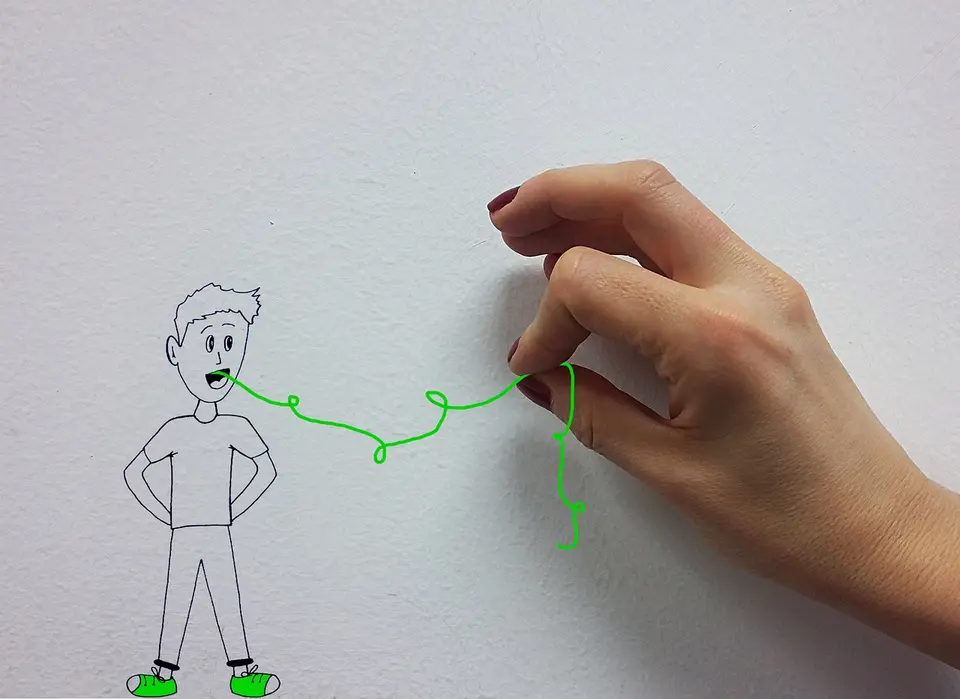
If your child uses cannabis, you may ask yourself what you did wrong. DigiSucht's addiction counselling states this clearly: you bear no guilt for the addiction of the person close to you. This sentence is an important anchor for how you deal with the situation. Feelings of guilt are understandable, but they do not mean you have failed.
Why feelings of guilt are so common
When looking for causes, parents think about upbringing, role models and closeness. That is human. The Deutsche Hauptstelle für Suchtfragen (DHS) describes how relatives and others affected want to understand and help, and often feel obliged to prevent further harm. Being affected yourself makes dealing with the person who uses even harder.
Conflicts with teenagers are not automatically a sign of addiction. If use has consequences in everyday life, however, a view from a counselling service is worthwhile.
What you cannot achieve yourself
DigiSucht's addiction counselling emphasises that the motivation to change must come from the affected person themselves. This is an important limit, and it can relieve you. Your child's decision to stop lies with them. How you deal with the situation is your responsibility.
The DHS puts it this way: relatives cannot force the dependent person into anything. They can still change their own situation. This is where counselling comes in.
How to deal with feelings of guilt
- Write down which thoughts weigh on you, and check whether they are facts or fears.
- Talk to someone you trust about the situation.
- Take time for yourself deliberately, without feeling guilty about it.
- Set boundaries that you can keep, for example around money or lies.
Handling boundaries is not easy. The article How do I protect myself as a parent? shows how you can approach this.
What counselling can give you
Addiction counselling services also advise relatives. The DHS notes that relatives and others affected can clarify open questions there, by phone and online as well as on site. You can ask even without a specific goal. Which times and routes a service offers is shown on its website; you can find services through the DHS Suchthilfeverzeichnis directory.
DigiSucht also has its own pages for relatives and for parents. There you will find information on addiction and drugs in the family and on conflicts that often arise in families with teenagers. The article How do parents raise the topic of cannabis properly? gives guidance on this.
When you are worried about your child
Feelings of guilt and worry often go hand in hand. Watch whether your child withdraws, neglects school or training, or changes. If you see acute danger, for example with suicidal thoughts or severe confusion, get help straight away. Then every minute counts, and the emergency number is the right route.
Prevention in the family
Open conversations and clear agreements help before problems grow. According to cannabispraevention.de, THC disrupts the maturation processes in the brains of young people, and concentration can suffer. The article Does cannabis harm the young brain? provides facts on this.
Talking with your child without blame
When you seek a conversation, an “I” message helps. For example, say that you are worried and describe what you have noticed. Avoid sentences that force your child into justifying themselves. You do not have to resolve everything at once. A short conversation that ends openly is often worth more than a long discussion.
Taking your own strain seriously
Feelings of guilt can grow into exhaustion. Watch for sleep problems, irritability and withdrawal from friendships and hobbies. The DHS describes how relatives often have no room left for their own interests. If these signs accompany you, that is a reason to seek your own support. An addiction counselling service will advise you even if your child does not want to come along.
Your next steps
- Take a moment to write down your guilty thoughts and check them.
- Book an appointment at an addiction counselling service for yourself.
- Seek a conversation with your child, without accusations and with clear boundaries.
An overview of all offers is on the page Help and counselling.
Frequently asked questions
Am I to blame as a parent if my child uses cannabis?
According to the addiction counselling service DigiSucht, you bear no guilt for the addiction of the person close to you. The decision to change must come from the affected person themselves. Feelings of guilt are understandable, but they do not mean you have failed. Counselling helps you put the situation in perspective.
Where can I get counselling as a parent about cannabis?
Addiction counselling services also advise relatives. The DHS names telephone and online counselling as well as counselling on site. DigiSucht provides information specifically for parents. Which times and routes a service offers is shown on its website; you can find services through the DHS Suchthilfeverzeichnis directory.
Can I force my child to go to counselling?
No. Relatives cannot force the dependent person into anything, as the DHS points out. You can still work on your own situation. Counselling for yourself is a good step, whether or not your child comes along.