When is a plant legally considered a cutting?
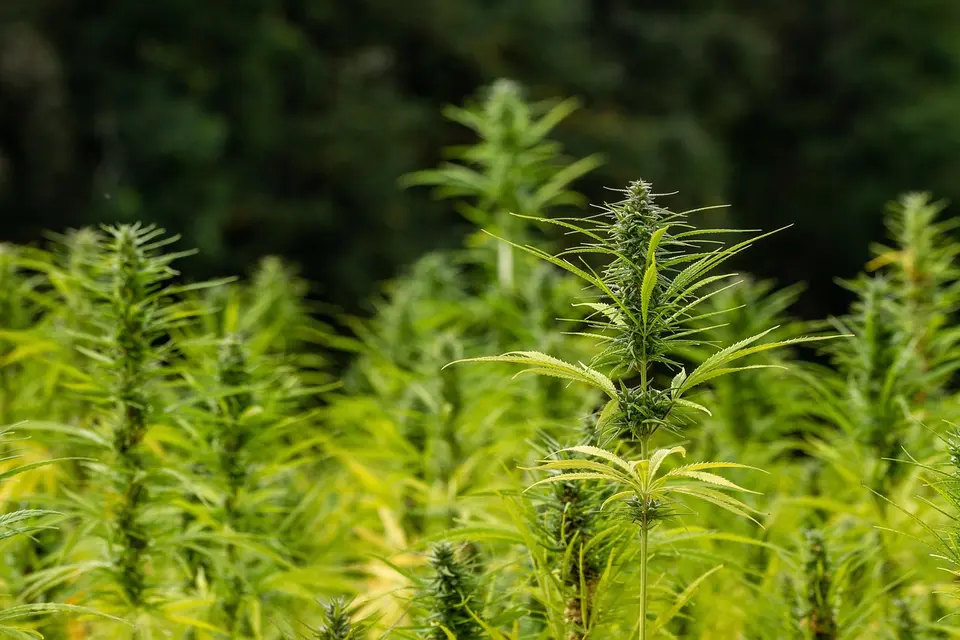
Under the Consumer Cannabis Act, a cutting is a young plant or a shoot section of a cannabis plant that is to be used to raise cannabis plants and has no flower or fruit clusters (§ 1 no. 6 KCanG). As soon as a plant or plant part bears flower or fruit clusters, it is no longer a cutting under this definition. The classification decides which rules apply to clubs and members.
The statutory definition
Three features must come together:
- It is a young plant or a shoot section of a cannabis plant.
- The material is to be used to raise cannabis plants.
- It has no flower clusters and no fruit clusters.
Cuttings and seeds together are called propagation material in the law (§ 1 no. 7 KCanG). Propagation material is not part of the law's definition of cannabis (§ 1 no. 8 letter c KCanG). Plants, flowers and other plant parts with flower clusters, on the other hand, are cannabis. The wording leaves open where, in an individual case, the line between a young plant and a flowering plant runs. If in doubt, a written enquiry to the responsible authority helps; in a dispute, courts decide.
Why the classification matters for clubs
Different rules apply to propagation material and to cannabis:
- Cultivation associations may pass on cuttings and seeds only if they were obtained through shared home cultivation, and only within the enclosed premises (§ 20 para. 1 KCanG). Recipients are members, adult non-members with a residence or habitual abode in Germany, and other cultivation associations.
- Per person and calendar month, at most five cuttings, or seven seeds, or five seeds and cuttings combined, are permitted (§ 20 para. 3 KCanG).
- Shipping and delivery of cuttings are prohibited (§ 20 para. 5 KCanG).
- Flowers and resin, by contrast, may only go to members, subject to the quantity limits of 25 grams per day and 50 grams per calendar month, or 30 grams for young adults (§ 19 para. 3 KCanG).
Anyone who passes on a plant part with flower clusters as a cutting moves outside the rules for propagation material and into the area of handing over cannabis, for which this exception does not apply.
Documentation in the association
The number of units of propagation material on the premises, of destroyed material and of passed-on material must be documented on an ongoing basis (§ 26 para. 1 nos. 2, 4 and 6 KCanG). This includes the origin of propagation material that the club has received (§ 26 para. 1 no. 1 KCanG). Propagation material that is not fit for passing on must be destroyed by the club without delay (§ 18 para. 3 and 5 KCanG).
Cultivation and access in the association
In a club, cannabis may only be cultivated jointly by members (§ 17 para. 1 sentence 1 KCanG). The permit application requires information on paid employees who receive access to cannabis and propagation material (§ 11 para. 4 no. 4 KCanG). Propagation material must be protected against access by unauthorised third parties, in particular children and young people, in the same way as cannabis (§ 22 para. 1 KCanG). Persons under 18 may not enter the enclosed premises (§ 23 para. 1 KCanG).
Home cultivation
For private home cultivation the rule is: at most three cannabis plants at the same time, from the age of 18, at the place of residence or habitual abode (§ 9 para. 1 KCanG). Cannabis from private home cultivation may not be passed on to third parties (§ 9 para. 2 KCanG). Whether and how cuttings count towards the limit of three plants is not expressly stated in § 9. Anyone who wants to raise several cuttings at home should ask the responsible authority beforehand or obtain legal advice, and should keep plants from the association and from private cultivation separate in their records.
How to proceed when in doubt
- Note which plants or plant parts are concerned and whether flower clusters are visible.
- Record the purpose: raising, passing on or destruction.
- Put the question to the responsible authority in writing and keep the answer.
- Inform the board and the prevention officer.
- Pass the material on only once its classification has been clarified.
Where you can turn
The responsible authority can say how it assesses a case, but in a dispute the courts have the final say. For individual legal questions, a specialist lawyer for administrative law can assess the situation. Further guidance on cultivation in the association can be found in the article on who may cultivate at the club itself. For passing on, the article on propagation material between clubs is worth reading. All articles on the topic are collected in the topic area on cultivation associations.
Frequently asked questions
When is a cannabis plant legally a cutting?
Under § 1 no. 6 KCanG, a cutting is a young plant or a shoot section that is to be used to raise cannabis plants and has no flower or fruit clusters. In borderline cases, ask the responsible authority in writing.
Do the gram limits for cannabis apply to cuttings as well?
No. Cuttings are propagation material. Per person and calendar month, clubs may pass on at most five cuttings, or seven seeds, or five seeds and cuttings combined (§ 20 para. 3 KCanG). The gram limits for cannabis do not apply to them (§ 19 para. 3 KCanG).
Sources
- KCanG § 1 Definitions
- KCanG § 9 Private home cultivation
- KCanG § 11 Permit
- KCanG § 17 Shared home cultivation
- KCanG § 18 Fitness for passing on
- KCanG § 19 Passing on of cannabis
- KCanG § 20 Passing on of propagation material
- KCanG § 22 Security
- KCanG § 23 Duties of the cultivation association
- KCanG § 26 Documentation