When may cultivation associations grow cannabis jointly?
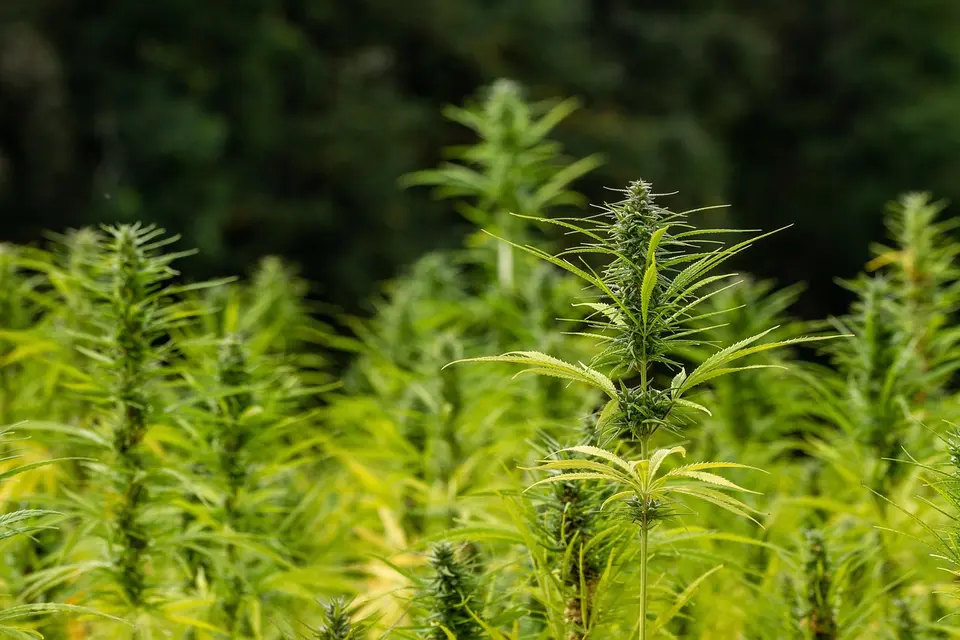
Cultivation associations may grow cannabis jointly if the competent authority has granted them a licence for it (§ 11 para. 1 KCanG). In addition, cultivation may only be carried out by members (§ 17 para. 1 sentence 1 KCanG), and all members must actively take part (§ 17 para. 2 KCanG). Without a licence, joint cultivation is prohibited and punishable (§ 34 para. 1 no. 15 KCanG). This article explains the licence, the circle of participants and the duties that come with them.
The licence under § 11 KCanG
Anyone who grows cannabis jointly and passes it on to members for their own consumption needs a licence from the competent authority (§ 11 para. 1 KCanG). The licence may only be granted to cultivation associations, that is, registered non-profit associations or registered cooperatives (§ 11 para. 2 and § 1 no. 13 KCanG). It cannot be transferred to third parties (§ 11 para. 7 KCanG). It is limited to seven years, and an extension is possible on application after at least five years have passed (§ 14 KCanG). Which authority is competent is set by each federal state, and the state provides the information.
The licence is granted on application if the authorised representatives have full legal capacity and are reliable, the association protects the cannabis within the fenced-off premises against access by unauthorised persons, in particular children and young people, and it guarantees the other requirements of the law (§ 11 para. 3 KCanG). The application must include, among other things, the prevention officer with proof of his or her knowledge and the health and youth protection concept (§ 11 para. 4 nos. 11 and 12 KCanG).
Who may take part in cultivation
In cultivation associations, cannabis may only be grown jointly by members (§ 17 para. 1 sentence 1 KCanG). Marginally employed persons may only be involved in cultivation or passing on if they are members. Other paid employees and non-members may only be assigned tasks that are not directly connected with cultivation or passing on (§ 17 para. 1 sentences 2 to 4 KCanG). A breach is a regulatory offence (§ 36 para. 1 nos. 12, 13 and 13a KCanG). Members must actively take part in cultivation. This is the case in particular if they take part personally in cultivation and in activities directly connected with it (§ 17 para. 2 KCanG). The article Do you have to help with cultivation yourself in the club? covers this in more detail.
What joint means
Joint means that the members carry the cultivation together. The association organises areas, care, harvest and documentation within the framework of the licence. In cultivation it must observe the principles of good professional practice and minimise risks to human health (§ 17 para. 3 KCanG). Commercial structures are not compatible with this. The boundary is described in the article Where does joint cultivation end and a business begin?
Distinction from home cultivation
Joint cultivation in the association differs from private home cultivation. Under § 9 KCanG, the latter is permitted for persons aged 18 and over at their place of residence or habitual abode, with at most three plants at the same time. The article May a member additionally grow privately? explains whether members may also grow privately.
Dispensing after cultivation
Cultivation does not yet regulate dispensing. Passing on takes place only within the fenced-off premises, from member to member, with both present in person and with age and membership checked (§ 19 para. 2 KCanG). Members aged 21 and over may receive at most 25 grams per day and 50 grams per calendar month, and young adults at most 25 grams per day and 30 grams per calendar month (§ 19 para. 3 KCanG).
Licence review and location
The authority refuses the licence in the cases of § 12 KCanG. This includes a location within 200 metres of the entrance area of schools, child and youth facilities or children's playgrounds (§ 12 para. 1 sentence 1 no. 6 KCanG). The licence is also refused if no prevention officer has been appointed or the health and youth protection concept has not been submitted (§ 12 para. 1 sentence 1 nos. 3 and 4 KCanG). The article How large must the distance to schools and playgrounds be? explains the distance rule.
Ongoing duties
The licence obliges the association on a continuing basis. These include youth and health protection with a prevention officer and concept (§ 23 paras. 4 and 6 KCanG), securing the premises (§ 22 para. 1 KCanG), continuous documentation (§ 26 para. 1 KCanG) and the annual report by 31 January (§ 26 para. 3 KCanG). The association must notify without delay any changes to the details in the application (§ 11 para. 6 KCanG). The authority may impose conditions (§ 13 para. 4 KCanG), carry out inspections (§ 27 KCanG) and revoke the licence in certain cases (§ 15 KCanG).
What applies without a licence
Anyone who grows or passes on cannabis without a licence under § 11 para. 1 KCanG acts criminally (§ 34 para. 1 no. 15 KCanG). Members of an association without a licence are also affected, because the exception from the cultivation ban only applies to permitted joint home cultivation (§ 2 para. 3 no. 4 KCanG). If you want clarity before joining, ask the board for the licence notice. For specific legal questions, a lawyer specialising in the field can help.
What members should note during inspections
Members, authorised representatives and employees must tolerate inspections by the authority, grant access to the fenced-off premises and provide information (§ 29 KCanG). Anyone whose answer would expose themselves or a relative to the risk of criminal prosecution or proceedings for a regulatory offence may refuse to give information and must be informed of this right (§ 29 para. 2 KCanG).
Where to get advice
Anyone who wants to found an association or join one should speak to the competent authority early. The Federal Ministry of Health answers general questions in its FAQ on the Cannabis Act. You will find the wording of the provisions at gesetze-im-internet.de.
Frequently asked questions
Do cultivation associations need a licence to grow?
Yes. Joint cultivation and passing on to members require a licence from the competent authority (§ 11 para. 1 KCanG). Without a licence, both are punishable (§ 34 para. 1 no. 15 KCanG). Which authority is competent is set by each federal state.
May a non-member grow cannabis at the club?
No. In cultivation associations, cannabis may only be grown jointly by members (§ 17 para. 1 sentence 1 KCanG). Non-members may only be assigned tasks that are not directly connected with cultivation or passing on.
Sources
- KCanG § 1 Begriffsbestimmungen
- KCanG § 2 Umgang mit Cannabis
- KCanG § 11 Erlaubnispflicht
- KCanG § 12 Versagung der Erlaubnis
- KCanG § 14 Dauer der Erlaubnis
- KCanG § 15 Widerruf und Rücknahme der Erlaubnis
- KCanG § 17 Anforderungen an den gemeinschaftlichen Eigenanbau
- KCanG § 19 Kontrollierte Weitergabe von Cannabis
- KCanG § 23 Kinder- und Jugendschutz sowie Suchtprävention
- KCanG § 26 Dokumentations- und Berichtspflichten
- KCanG § 29 Duldungs- und Mitwirkungspflichten
- KCanG § 34 Strafvorschriften
- KCanG § 36 Bußgeldvorschriften
- BMG: FAQ zum Cannabisgesetz