How must cultivation areas be shielded from view from outside?
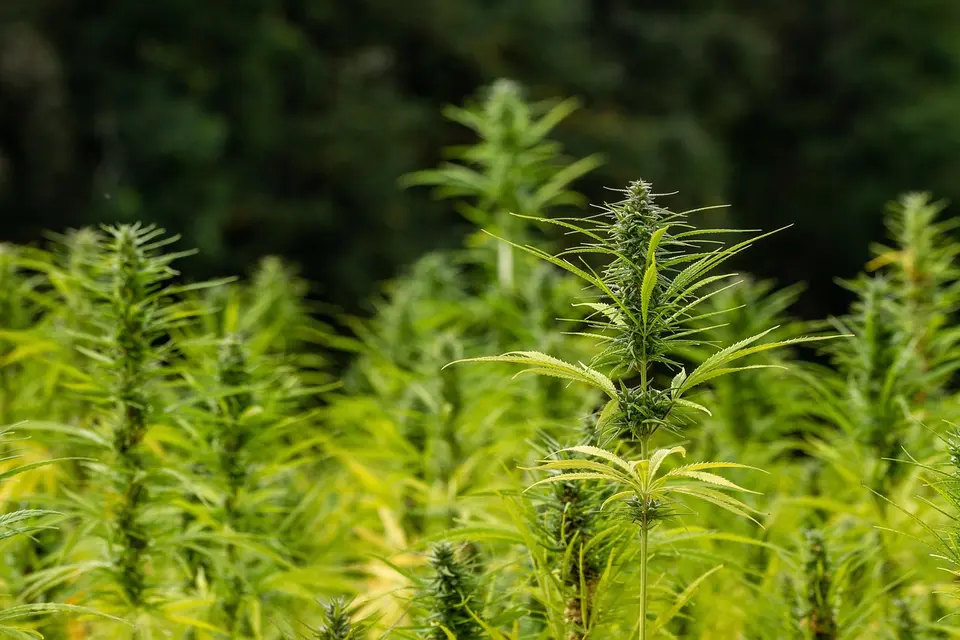
The cultivation areas of a cultivation association must be protected from view from outside. The law names fencing or other suitable measures as the means (§ 23 para. 3 KCanG). The duty applies to cultivation areas and to greenhouses used outside indoor rooms. Anyone planning the cultivation should consider this point early, because it affects location, construction and cost.
What exactly must be protected
The law pursues several protection goals. On the one hand, it concerns view. Cultivation areas and greenhouses outside indoor rooms must be protected from view from outside (§ 23 para. 3 KCanG). On the other hand, it concerns access. The fenced-off premises (befriedetes Besitztum), in or on which cannabis is cultivated, harvested or stored, must be secured by fencing, burglary-resistant doors and windows or other suitable protective measures against unauthorised entry and against the removal of cannabis (§ 22 para. 1 KCanG).
The two are linked. A screen prevents passers-by from seeing what is growing on the areas. The fencing additionally protects against entry. Anyone who plans only one of these and leaves out the other does not fully meet the requirements.
Which measures the law names
The law names fencing as an example and adds “or other suitable measures” (§ 23 para. 3 KCanG). Which means are sufficient depends on the site. Solid fences, screening panels or dense planting are conceivable. The solution should work all year round, because planting that is see-through in winter only prevents view part of the time. Whether a specific solution is sufficient is decided by the competent authority within the framework of the licence. The association should therefore make enquiries before building.
If the protection is missing, the licence must be refused: the fenced-off premises must be protected from view from outside under § 23 para. 3 KCanG (§ 12 para. 1 sentence 1 no. 6 KCanG). Anyone who does not protect cultivation areas or greenhouses outside indoor rooms from view, or does not do so properly or completely, commits a regulatory offence (§ 36 para. 1 no. 33 KCanG).
Where screening appears in the application
Under § 11 para. 4 KCanG, the application for a licence requires details of the location of the fenced-off premises, by town, street and house number, where applicable with the field designation and the part of the building (no. 7). The size or expected size of the cultivation areas and greenhouses, in hectares or square metres, is also part of it (no. 8). Setting out the security and protective measures under § 22 para. 1 KCanG is a separate item (no. 10).
Describing your protective measures well in the application makes the review easier. A brief entry such as “fence in place” says little about what the protection looks like and how it will be maintained over time.
Further requirements for the premises
Screening is one duty among others. The association may not grant persons under 18 access to the fenced-off premises (§ 23 para. 1 KCanG). Public consumption is prohibited within the fenced-off premises and in their line of sight (§ 5 para. 2 no. 6 KCanG). The line of sight ends at a distance of more than 100 metres from the entrance area (§ 5 para. 2 sentence 2 KCanG). In addition, the association may not make its premises recognisable from outside through advertising signs or conspicuous design elements. The advertising ban for cultivation associations follows from § 6 KCanG. A factual statement of the name at the entrance area is permitted (§ 23 para. 2 KCanG).
Typical planning mistakes
- Planning too late: anyone who thinks about screening only after building often has to re-plan.
- Fence only, no screening: the fencing under § 22 para. 1 KCanG serves protection against entry and removal. Protection against view under § 23 para. 3 KCanG is a separate duty.
- Gaps in the enclosure: open spots reduce both protective effects.
- Unclear responsibility: if nobody in the association is responsible for construction and maintenance, the protection fades over time.
Greenhouses and indoor areas
The provision names cultivation areas and greenhouses used outside indoor rooms. With greenhouses that have transparent walls or roofs, a fence alone may not be enough to prevent view. The law requires protection against view from outside without prescribing a particular construction method. The association should describe indoor and outdoor areas separately in the application, so that it is clear which measure applies where. The security under § 22 para. 1 KCanG refers to the entire fenced-off premises in or on which cannabis is cultivated, harvested or stored. The screening supplements this security and does not replace it.
What you can do now
- Check the site for visibility from all sides, including from higher paths.
- Document the planned measures with a sketch, measurements and materials.
- Clarify the execution in writing with the competent licensing authority before starting major work.
- Take responsibility for maintenance within the board's work and check the condition regularly.
For protection against access by unauthorised persons, also read How must the club secure cannabis against access by unauthorised persons? The requirements on the location of the site are explained in What requirements apply to the location of the cultivation area?
Frequently asked questions
Which measures protect a cultivation area from view?
The law names fencing as an example and allows other suitable measures (§ 23 para. 3 KCanG). Whether a particular solution is sufficient is decided by the competent authority. Without adequate protection from view, the licence must be refused (§ 12 para. 1 sentence 1 no. 6 KCanG).
May a club mark the cultivation area with a sign?
No. The fenced-off premises may not be made recognisable from outside by advertising signs or other conspicuous design elements. A factual statement of the name at the entrance area is permitted (§ 23 para. 2 KCanG).
Must the screening be described in the application?
The application requires a description of the security and protective measures under § 22 para. 1 KCanG (§ 11 para. 4 no. 10 KCanG). A precise description of location, size and type of measures makes the review easier.