Is the conversation in addiction counselling confidential?
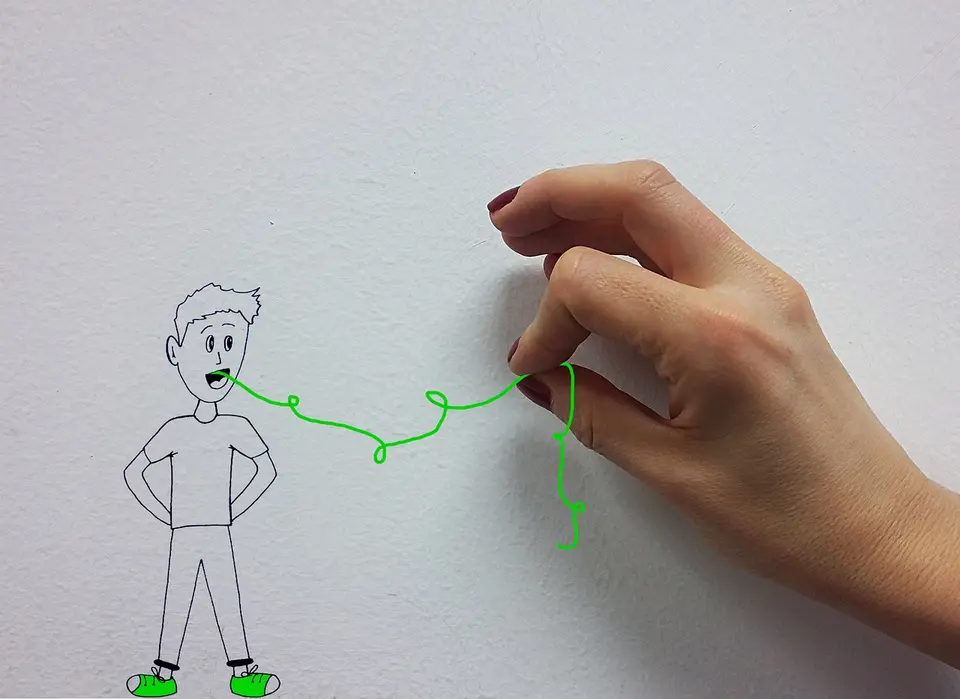
Conversations in cannabis addiction counselling are generally confidential. The specialists are bound by professional secrecy and do not pass on information about you to third parties without your consent. There are limits, however, and you should know them before you open up. This article explains what professional secrecy covers, when it ends and which questions you can ask in advance.
What professional secrecy covers
Professional secrecy applies to everything you tell the counsellor. This includes what you say about your use, your living situation and your health. The fact that you are receiving counselling also generally stays between you and the service. The service may therefore not speak to your employer, your school or your circle of friends without your permission. This also applies if you involve relatives in the counselling, as long as you do not agree.
Professional secrecy and data protection are separate questions
Professional secrecy concerns the conversation: what you say stays with the specialist. Data protection concerns the data: how it is stored, processed and eventually deleted. Both belong together, but they must be checked separately. A service can be exemplary in discretion during the conversation and still keep files that you cannot inspect. So ask about both points.
Data protection and files
Some counselling services document the course of counselling. The service explains how it does this in its data protection information. When you register, ask how the service stores data, how long it keeps it and whether you can view it. A reputable service answers these questions straightforwardly and refers you to its data protection information if needed.
When you register by phone, give only the details needed to arrange the appointment. Further details belong in the conversation itself.
Where confidentiality ends
There are situations in which professional secrecy reaches its limits. This concerns above all an acute danger to life and limb, whether to yourself or to other people, and the protection of children. Laws govern when disclosure is permitted or required in an individual case, and this guide does not assess that for your situation. So ask the service how it handles this. The article Does the youth welfare office help with cannabis use among young people? explains the role of the youth welfare office.
These limits serve to protect people who cannot protect themselves, and they are not directed at you. A good specialist explains the limits before anything becomes serious, and discusses with you which step comes next.
Typical worries before the first appointment
Many people have concerns before the first conversation, and these can be clarified in advance. Three of them come up particularly often:
- “Will my name be passed on anywhere?” Ask which details the service needs for registration and whether a pseudonym is possible.
- “Do I have to tell everything?” No. You decide how much you reveal in the conversation. The specialist asks follow-up questions so that they can help you, not to test you.
- “What happens if I let something slip?” You can say at any point in the conversation that you do not want to talk about something or that you want to correct something.
If you have worries, state them openly. Good counselling begins with the specialist taking such questions seriously.
Confidential, anonymous, pseudonymous: what is the difference?
Confidential means that the service knows your name and keeps the conversation secret. Anonymous means that you do not reveal your name. Some offers work with anonymity or a pseudonym, while others rely on personal registration. Ask specifically which form is offered. An overview of anonymous offers for relatives can be found in the article Is there anonymous counselling for relatives?
If anonymity matters to you in particular, you can also say so in the first call. The article Can I talk about my use anonymously? describes the options in more detail.
Online counselling and data protection
With digital offers, a second level comes in: the technology. Check whether an encrypted connection is used and how the login works. Read the provider's privacy policy before you give any details. If you are unsure, use for the first contact a service whose provider you know. According to the platform, messages at DigiSucht are end-to-end encrypted, meaning that only you and the counsellor can read the content. You can choose your username freely, an email address is optional, and the counsellor cannot see whether you are online. If you wish, you can delete your account yourself. The article How safe is my data in online counselling? explains what to watch for with online offers.
Questions you can ask in advance
- Which details are documented, and who has access to them?
- When does the service pass on information, and will I be asked beforehand?
- How long are records kept?
- How does the service handle enquiries from outside, for example from employers or authorities?
- For an online offer: is there a privacy policy, and who is the provider?
When a service answers these questions clearly, that speaks for its credibility. The article How do I recognise a reputable counselling service? shows how to spot trustworthy offers.
Next steps
If a service presses you for details that are not needed for counselling, raise this openly or look for another service. Ask your questions about professional secrecy and data protection already on the first call. A service that answers these questions well is usually reliable in the conversation as well. If you cannot get an appointment straight away, the article Is there counselling without an appointment? may help. You can find an overview of the services under Help and counselling, and suitable services through Where can I find an addiction counselling service for cannabis?
Frequently asked questions
Will my employer find out about addiction counselling?
As a rule, the counselling service does not pass on information about you to your employer unless you agree. There are exceptions in an acute danger. Ask at registration how the service handles enquiries from outside.
Can I remain anonymous in addiction counselling?
That depends on the offer. Some services and online providers allow anonymity or a pseudonym, while others require personal details. Ask specifically about the form offered before the appointment. The confidentiality of the conversation also applies where you register under your name.