What happens at the first session in addiction counselling?
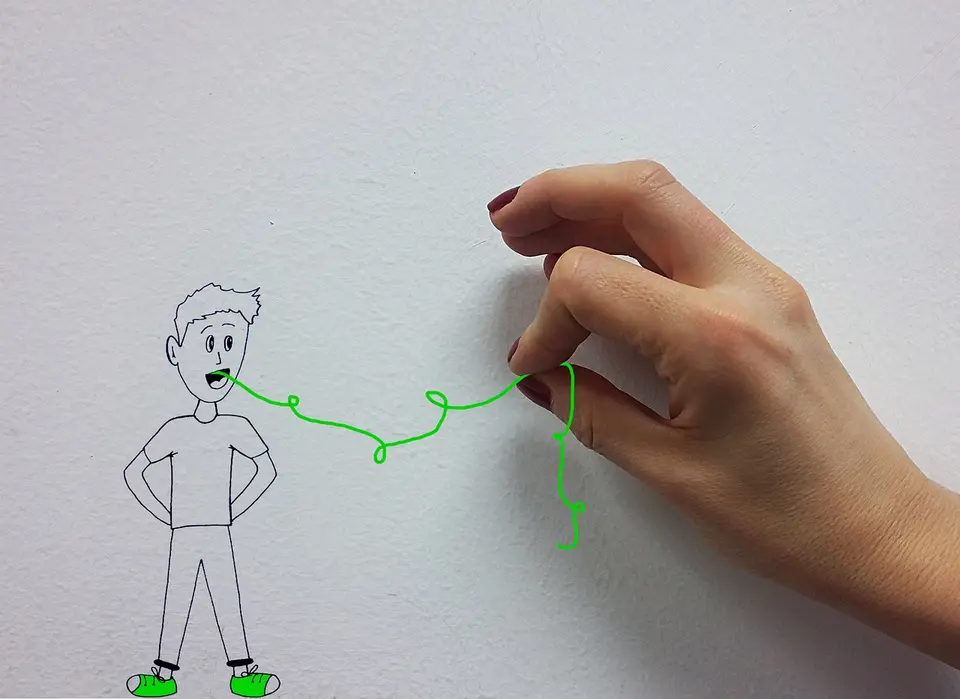
The first session in addiction counselling is mainly a chance to get to know each other. You explain what brings you there, and the specialist asks about your cannabis use, your everyday life and your wishes. You do not have to say everything at once, and you decide how much you share. This article shows the typical process from registration to the end of the session.
Registration
Contact usually goes by phone, by email or through an online form. When you register, you usually give your name, a phone number and the reason for getting in touch. Some services ask for your place of residence, because they are only responsible for certain areas. Ask at registration which details are required and which are optional. Also ask how long the first session lasts and who will conduct it.
What comes up in the session
The first session focuses on your concern. The specialist asks how often and how much cannabis you use, since when this has been the case, and in which situations you reach for a joint. They are also interested in how you are doing physically, whether you experience sleep, mood or concentration as a burden, and what is going on around you, for example at work, at school, in your relationship or in your family.
Be honest about amount and frequency. The information is used to plan the next steps. The more precise your information, the better you can work out together which help fits.
You help set the goal
Many people wonder whether they have to have a goal beforehand. The answer is no. The service asks about your wishes, for example less use, a break or clarity about where you currently stand. A goal can change over the course of the sessions, and that is normal. If you do not have an answer yet, say so openly. More on this is in the article Do I have to want to stop before going to counselling?
What you do not have to tell
You decide which details you share. The specialist can ask follow-up questions if something is missing. The article Is what I say in addiction counselling confidential? explains how the service handles your information and where confidentiality has limits.
Process and follow-up appointments
After the first session, you usually agree on further appointments if your concern requires them. Often a plan with small steps emerges, for example keeping a use diary, setting goals for the sessions or involving relatives. You can also say after a session that the direction does not suit you. Raise this, and together you can look for a different form of support.
- Registration and initial clarification of your concern
- Conversation about use, everyday life and health
- Discussion of goals and possible next steps
- Agreement on a follow-up appointment, if useful
Prevention in the first session
Prevention also matters in the first session. According to drugcom, when it comes to the question of dependence, what matters most is whether use has already had negative consequences. Quantity or frequency matters less. You can talk about this in the session. Anyone who asks early can take countermeasures before it becomes a problem. The article How does cannabis affect memory and school qualifications? explains the connections.
Questions you can ask in the session
- Which details do you need from me, and which can I leave out?
- How does it continue after this session?
- Who is responsible for appointments if I have to cancel?
- What happens to the information I give you?
Write the answers down. A lot comes up at once in a session, and notes help at the next appointment. You can also send the questions to the service in advance, if it offers that. That leaves more time in the appointment for your concern.
How the session may feel
Some people only notice afterwards what they said, and that can be unsettling. In that case it helps to talk the session through again at the next appointment or on the phone with the service. You can raise such feedback.
What can happen after the first session
Follow-up appointments are often arranged; sometimes the service recommends another facility. It can also happen that you first receive only information material. A plan is usually drawn up together, and you can adapt it or decline it. What matters is that by the end you know who will contact you next and when.
Terms that come up in the session
Use pattern describes when, how often and in which situations someone uses. Ambivalence means the back and forth between the wish for change and the wish to keep things as they are. Consequences are effects on health, school, work or relationships. These terms help you stay precise in the session.
What preparation gives you
Anyone who briefly organises their thoughts beforehand speaks more calmly about their own concern in the session. You do not need to bring a finished story. A note with the amounts you use, your reasons and your questions is enough. A list also helps if you want to look up afterwards what was discussed.
After the session
Write down after the appointment what you want to take with you. Talk it over with a trusted person if that helps. And if you are unsure after the first contact whether the service suits you, look for a second one. Trust does not always build at the first appointment. The article How do I prepare for the first counselling session? shows how to get ready beforehand. You will find other services under Where can I find an addiction counselling service for cannabis?
Frequently asked questions
What happens if I do not want to tell everything at the first session?
You decide how much you share. The specialist may ask follow-up questions. Say openly what is difficult for you, and the pace can be adjusted.
How long does a first session in addiction counselling last?
This depends on the service. Ask about it when you register, so you can plan the appointment into your day. The first session is about getting to know each other and agreeing on next steps.