How do I deal with friends who keep using cannabis?
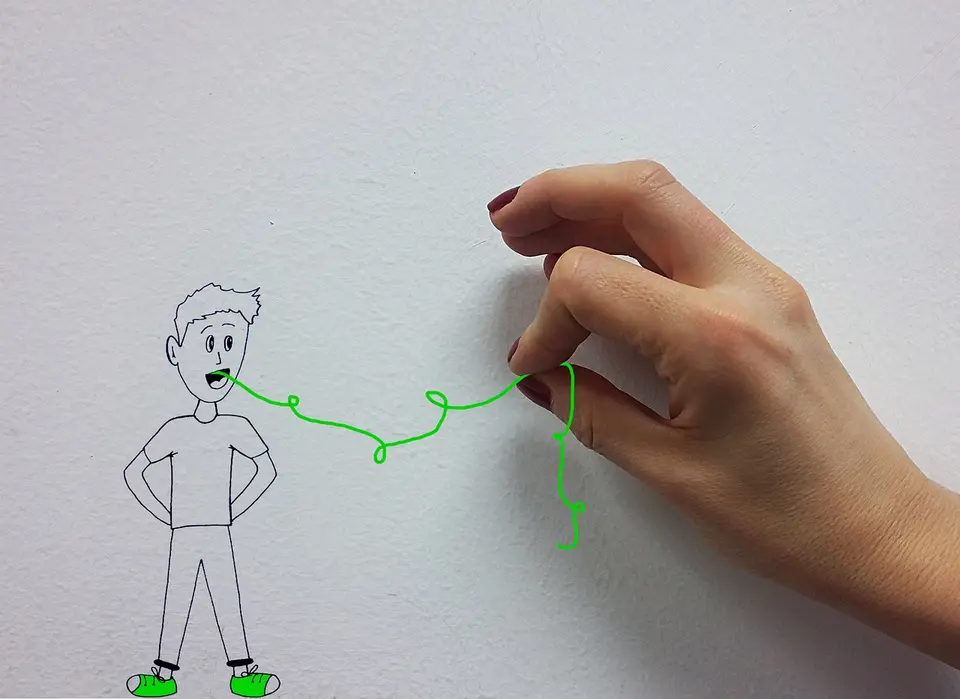
If your friends keep using cannabis and you want to stop, a clear, short refusal helps most. You do not need to explain why you are stopping, and you do not need to defend yourself. It is also worth planning meetings so that use is not the centre of the evening. This way you stay connected with your friendships without exposing yourself to pressure to use.
Why pressure to use is so strong in the circle of friends
Using together creates closeness. Anyone who stops quickly notices that they are dropping out of a familiar ritual. That can cause insecurity, and sometimes it brings teasing or the question of whether you think you are better than the others. This pressure is real, but it says little about your worth as a friend.
It helps to recognise the pressure as a situation. Ask yourself which moments are especially difficult: the first evening of the week, reaching for a joint after dinner, or an invitation to a party where everyone is using.
Phrasing clear refusals
A short reply is usually the most effective. You can say that you are not using at the moment and would still like to come along. If someone asks further, it is enough to say that you have decided this for yourself. You do not have to justify more than that.
- "I'm not using right now, and I'd still love to come along."
- "That topic is closed for me, so let's talk about something else."
- "No thanks, I've decided to stop using cannabis."
- "I'm out, though we can still do something together."
Repeat your refusal calmly if you are asked again.
Planning meetings without use
You can keep up friendships without cannabis being the centre. Suggest activities where use plays no role: walks, sport, cooking together, films or day trips. This shows that you are still part of the group.
Also plan ways out of situations. If you know that an evening will be difficult, decide to leave early or to travel by your own car or bike, so that you stay independent. Set a fixed time at which you will leave, and stick to it.
Changing places and habits
Many situations involving use are linked to particular places. A park or a flat can be associated with use. Where possible, avoid such places in the early period.
Your habits matter too. Perhaps cannabis goes with particular times of day or with moments of downtime. Find a different activity for that time, for example a tea, a walk or a phone call with someone who supports you.
Letting a trusted person in
It helps to let in at least one person who knows your path and supports you. This can be someone from the circle of friends who lives without cannabis, or a family member. Agree that you may call when things get difficult. This person does not need to be a therapist. They just need to be reachable.
When the circle of friends is defined only by use
Sometimes you notice that time together almost always involves cannabis and conversations revolve around use. Then it may be necessary to reshape contacts. Reshaping contacts can also mean giving some people more distance, so that you step away from the situations in which you relapse.
Counselling can help you sort out your relationships and plan next steps. The article What should I do if I use cannabis because of stress? also shows how to recognise triggers that have nothing to do with your friends.
When a friend pushes you to use
Some friends mean well and simply want to take you along. Others react with anger because the change is uncomfortable for them. In both cases it helps to stay calm in the moment. You do not have to make a final decision in every situation. A sentence such as "I don't want to right now" is often enough, and you can continue the conversation later in peace.
If the pressure continues or turns into insults or blackmail, talk to a trusted person or a counselling service. A situation like this needs distance and support.
Spending time together differently
A friendship often stays stable when you find new shared habits. You can do sport together, play board games, cook or listen to music. Suggest a fixed date, such as a walk on Sunday. That way the framework is clear, and you do not have to decide anew each week whether you take part.
If you like, tell your friend which support helps you.
Loneliness while quitting
Anyone who changes their circle of friends sometimes feels lonely. So plan contacts that do you good on purpose, even if they are smaller. A sports club, a group with a shared hobby or a self-help group can create new connections. The article Are there group offers for people who use cannabis? shows which formats exist.
A relapse in the circle of friends
If you do use again once, it is a setback, and it can be reviewed. Think about what exactly happened: who was there, what the mood was, what you had experienced beforehand. These questions show you which situation you can handle differently next time. Tell a trusted person about it, so you are not left alone with the feeling. How to carry on after a relapse is explained in the article What to do after a cannabis relapse?
What you can do now
- Prepare a short refusal that you can say straight away.
- Suggest a group activity that does not involve use.
- Find a trusted person you can call.
- Note the situations in which the pressure is greatest.
If you are unsure how to hold these conversations, you can prepare at an addiction counselling service. An overview is under Help and counselling. Support in your environment is also described in the article What role does the family play in quitting?
Frequently asked questions
Should I tell my friends that I am stopping?
You decide how much you share. A short piece of information is often enough, for example that you are not using at the moment. If you need support in your circle, it is fine to say so.
What do I do if my friends put me under pressure?
Stick to a short, friendly refusal and repeat it if needed. Leave the situation if the pressure does not ease. A trusted person you can call helps with this. For strong pressure or conflicts, a counselling service can also help.
Can I keep friendships when I stop?
Yes, friendships can continue if shared time no longer depends on use. Plan other activities and say openly what you wish for. If relationships are defined only by use, it may be necessary to create distance. That is a personal decision.