When does family therapy for addiction make sense?
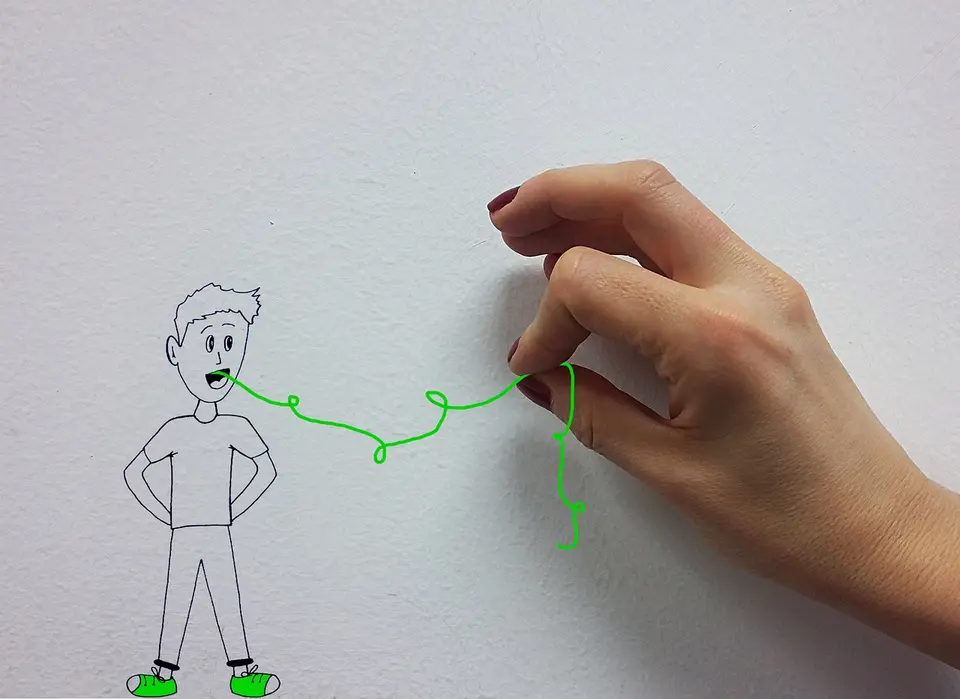
Family therapy for addiction makes sense when use affects the whole family system. It involves parents and relatives in treatment and does not work only with the person who uses. Multidimensional family therapy (MDFT) is examined in the INCANT treatment study among teenagers dependent on cannabis. Adult users, or relatives who seek help themselves, have other options.
What family therapy for cannabis means
Multidimensional family therapy assumes that use rarely arises in isolation. School, circle of friends, family rules and mood interlock. The therapy tries to look at these connections together, and does not treat individual symptoms alone.
The INCANT treatment study of the Bundesgesundheitsministerium (Federal Ministry of Health) examines the effectiveness of MDFT in teenagers dependent on cannabis. According to the ministry's website, the focus is on working with parents and on the aim of changing existing emotional and social difficulties together. The short report is dated March 2010, so the figures are older than many services available today.
When family therapy may make sense
Family therapy is considered above all when teenagers with cannabis have problems at school or in training, withdraw from family life, or when use leads to arguments. Even if parents no longer know how to deal with the subject, joint support can help.
It is less suitable when only some family members want help and the person concerned does not see use as a problem. Even then, a conversation about your own concern can take place before treatment begins.
- Use leads to problems at school, in training or at work
- Withdrawal, arguments or loss of trust in the family
- Parents feel alone with the situation
- The young person is willing to talk about use
How family therapy works
The process varies depending on the offer; it usually begins with getting to know one another and a joint assessment of the situation. Everyone involved describes how they experience everyday life, which conflicts arise and what should change. This conversation produces shared goals, which should be realistic and checkable.
Individual sessions with the young person, conversations with the parents and joint sessions are all possible. In this way the therapy can address both the young person's personal issues and the dynamics within the family. How often and how long the sessions take place is decided by the treatment team together with the family.
Preparing for the first family conversation
If you are invited as a parent to a first conversation, a short preparation helps. Consider what matters most to you, and note the situations that worry you. Also speak with your child, if they are willing, so that they are not taken by surprise.
It is also important that you know your own limits. Family therapy requires time and openness from everyone involved. Anyone who notices they cannot carry the strain alone should raise this early and use counselling for themselves as well.
The role of the parents
In family therapy, parents are not spectators. According to the INCANT website, the focus is on working with parents. What this looks like in detail, you clarify with the service.
It is also important that parents seek support for themselves. Counselling for you personally can be a useful addition.
When you need support yourself
Relatives do not need to wait for therapy for the family member who uses before getting help. Counselling can be there for you alone too. There you can discuss what burdens you, how you deal with use in the household and which boundaries you want to set.
The Deutsche Hauptstelle für Suchtfragen (DHS, German Centre for Addiction Issues) has a section for relatives and people affected on its website. There you will find information on which offers may be suitable for families. Counselling services in your region can be found through the DHS Suchthilfeverzeichnis (addiction help directory).
Typical pitfalls
A common pitfall is that one parent carries the responsibility alone while the other holds back. It helps when tasks are shared out together. A second pitfall is high expectations of quick change.
Mutual blame also blocks progress. Anyone who blames themselves stays stuck in the conflict. Therapy helps to recognise this cycle and to practise new ways of talking.
What family therapy cannot do
Family therapy does not guarantee that use will end. It is an offer that can strengthen families and support change. Whether and how it works depends on the situation, on the willingness of everyone involved and on the quality of the support.
In acute crises, suicidal thoughts or severe psychological symptoms, a medical or psychiatric assessment is needed. Family therapy does not replace that help.
Prevention: talking early
The earlier families talk about use, the more room for manoeuvre remains. More on protection rules for minors is in the area youth protection.
What you can do now
Speak first with a counselling service if you are unsure whether family therapy suits you. Bring your observations and questions, so that you can better judge which route makes sense. The Sucht & Drogen Hotline can be reached on 01806 313031; opening times and costs are listed at sucht-und-drogen-hotline.de. Further information for relatives is in the article on counselling for relatives and in the guide to help for partners.
Frequently asked questions
What is multidimensional family therapy?
Multidimensional family therapy, or MDFT for short, involves teenagers, parents and the wider environment in treatment. It looks at use in connection with school, circle of friends and family life. The INCANT treatment study examines its effectiveness among teenagers dependent on cannabis.
Does family therapy also make sense for adults?
The well-studied form is aimed mainly at teenagers. Adult users and their relatives can get counselling at addiction counselling services. There it can be clarified whether a family conversation makes sense and who should take part.
Can I start family therapy without the family member who uses?
Relatives can also use counselling alone. There you discuss your burden, your boundaries and your questions. Family therapy with everyone involved needs the family's willingness, but it can be prepared for.