How do I support my child in quitting?
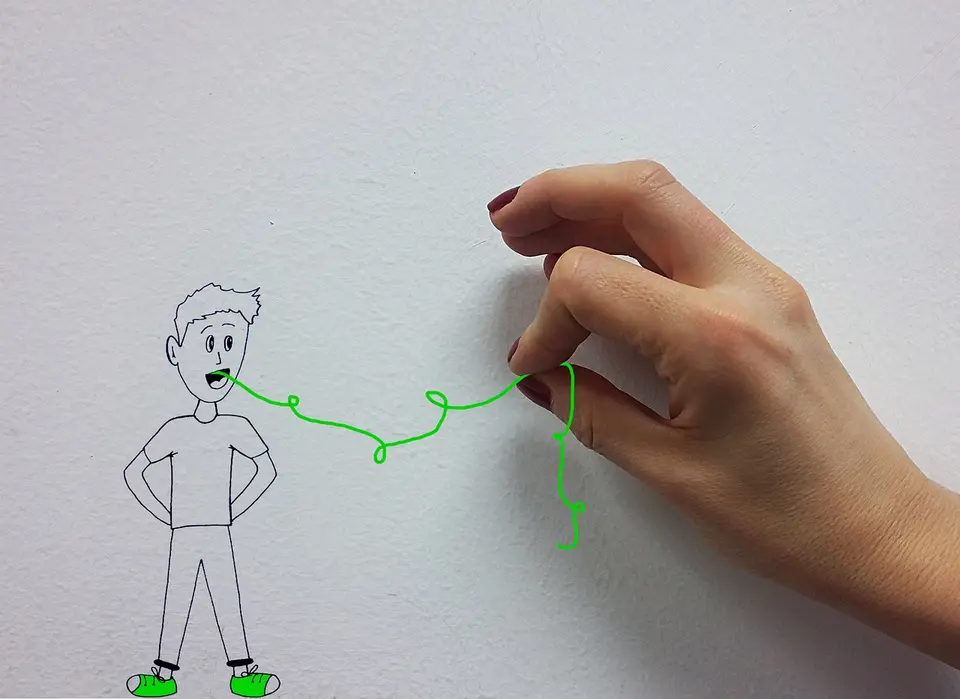
If your child wants to stop or cut down on cannabis use, you play an important part as a parent, yet you share the responsibility. According to DigiSucht, the will to change must come from the affected person themselves. You can accompany your child reliably and help them find support. This guide shows how you can help, which offers exist for young people and young adults, and how to protect your own strength.
The decision has to lie with the child
The decision to quit is your child's. This may sound hard if you see the use as a problem. Parents can accompany that wish, but they cannot make the decision in their child's place. The online counselling platform DigiSucht writes, in its section on work with relatives, that the will to change must come from the affected person themselves. If your child says they want to use less, that is a start. Take that statement seriously, even if a setback follows.
It therefore helps to ask about motives first and about results second. What would be different for you if you used less? What is hard for you? Questions like these invite your child to talk.
Being reliable
Helpful are fixed conversation times, clear agreements about money, daily life and free time, and the assurance that your child may get in touch after a setback. On how to handle the topic, cannabispraevention.de offers parents tips on conversation, their own attitude, arguments and behaviour during arguments.
- Agree on a fixed weekly conversation time at which anything can be discussed, including more than cannabis use.
- Say clearly what you can support and what you cannot, for example financial support for cannabis use.
- Acknowledge small steps, for example one day without use or a conversation that was honest.
- After a setback, get back in touch calmly and ask what helps your child.
Offers that support quitting
There are programmes for young people that help with stopping or cutting down. The site cannabispraevention.de names Quit the Shit as an offer that helps users use less or stop completely. The Federal Drug Commissioner describes it as a programme of the Bundeszentrale für gesundheitliche Aufklärung (BZgA) that aims to reduce cannabis use or, where possible, end it altogether. The guide How does the online programme Quit the Shit work? explains the process.
For self-assessment, drugcom offers the cannabis check. Young people can find out there how risky their own use is. Such a test does not replace a conversation with a specialist. It can, however, make getting started easier. The guide What does the drugcom cannabis check show? describes it in more detail.
cannabispraevention.de names further offers: the anonymous information helpline on 0221 89 20 31 (Monday to Thursday, 10 a.m. to 10 p.m., Friday to Sunday, 10 a.m. to 6 p.m.; call costs depend on the telephone provider's tariff), the drugcom chat, in which young people can ask questions anonymously (counselling Monday to Friday, 3 p.m. to 5 p.m.), and ELSA, a free online counselling service for parents. Check the times in advance.
For a personal conversation, addiction counselling centres near you are suitable. You can also seek advice for yourself first.
What the phase of quitting needs
Quitting can include setbacks. It is important that a relapse does not lead to the end of the relationship. Ask what triggered the relapse, and look together for a different answer for the next similar situation.
A small study reported by drugcom (79 participants, three weeks) found that people wanting to quit who did sport had markedly better brain performance than those who did not. Because the study is small, this finding should be read with caution. Exercise and a fixed daily routine can be an approach that you discuss together.
Take your own exhaustion seriously
The DHS describes how parents of children at risk of addiction or with addiction problems often live in constant worry and on constant alert, which over time places a strain on their own health. Make sure you do not carry the whole burden alone. DigiSucht's counselling for relatives explicitly names paying attention to your own wellbeing and not taking on guilt for another person's addiction.
The guide Why do relatives also need their own counselling? shows how you can organise this relief.
Relapse, crisis and emergency
If your child endangers themselves or urgently needs help, act immediately. In case of unconsciousness, a seizure or an acute psychosis, call the emergency number 112. The guide When should parents get help immediately? explains the warning signs.
Prevention that prepares quitting
The National Strategy on Drug and Addiction Policy (Nationale Strategie zur Drogen- und Suchtpolitik) describes prevention among children and young people as especially important: the earlier they are reached, the more likely problematic use can be prevented. The strategy also relies on counselling and support for quitting, and aims to maintain and strengthen existing services so that every affected person receives the offer they need. For parents, this means: do not hesitate to seek help early.
If your child does not want to stop
There are phases in which a child shows no wish to change. Then it is important not to let the relationship break off. Stay approachable without using every opportunity for accusations. Say clearly that you are worried and that help is possible at any time. A sentence such as “I want you to stay healthy, and I am there if you want something” can be an offer your child comes back to later.
In this phase, also speak with a counselling service about your own attitude. Sometimes it helps to adjust expectations. Small changes, such as less use at weekends or a conversation about goals, can be the start of a longer process. Whether this becomes quitting remains a decision for the child.
Putting setbacks into perspective
A setback does not mean that all efforts were in vain. After a setback, do not immediately set new demands. Listen to what was difficult, and consider together what support would help next time. This keeps contact alive, and your child experiences you as a reliable person.
What you can do now
- Talk with your child about their reasons and about their use.
- Agree on fixed conversation times and say clearly what you can support.
- Tell your child about Quit the Shit or the cannabis check, without pressure.
- Get counselling for relatives yourself before your strength is used up.
- In acute danger, call the emergency number 112 immediately.
Frequently asked questions
Can I dictate that my child must quit?
Parents can set rules in the household and set limits. For the decision to quit, DigiSucht's position is that the will to change must come from the affected person themselves. You can support that wish, offer conversations and help find support.
Which programmes are there for young people who want to stop?
Quit the Shit is a programme of the Bundeszentrale für gesundheitliche Aufklärung (BZgA) that aims to reduce cannabis use or, where possible, end it. The drugcom cannabis check helps with self-assessment. For personal conversations, addiction counselling centres near you are suitable.
What do I do if my child relapses?
Stay calm and ask what triggered the relapse. Agree how you will respond in the next similar situation. In case of acute danger, call the emergency number 112. If relapses keep happening, a counselling centre can help.