Is cultivation permitted indoors or outdoors?
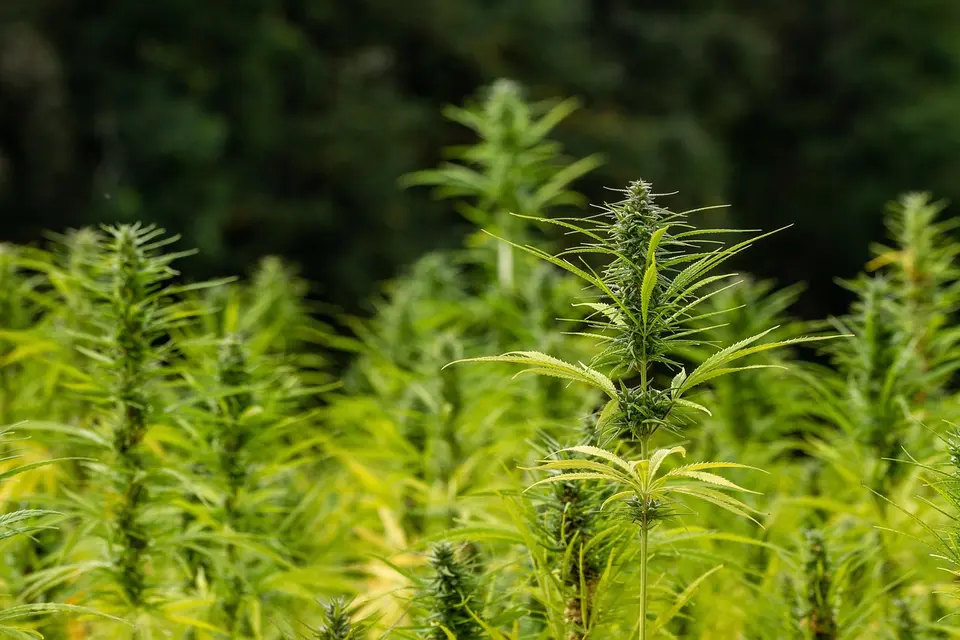
The law permits cultivation indoors and outdoors, as long as it takes place within the fenced-off premises (befriedetes Besitztum) of the cultivation association that is named in the licence (§ 13 para. 2 KCanG). Section 1 no. 22 KCanG defines these premises as a growing area, a plot of land, a greenhouse, a building or part of a building secured by protective devices against arbitrary entry. Cultivation areas and greenhouses outside indoor rooms must be protected from view from outside, for example by fencing (§ 23 para. 3 KCanG). Premises that lie wholly or partly within a private flat are not permitted (§ 12 para. 1 sentence 1 no. 7 KCanG). This article explains the terms and duties.
What the law says about cultivation areas
The central provision is § 23 para. 3 KCanG. Cultivation areas and greenhouses used outside indoor rooms must be protected from view from outside by fencing or other suitable measures. Under § 1 no. 21 KCanG, greenhouses are self-contained growing places located inside or outside enclosed rooms. If the protection is missing, the licence must be refused (§ 12 para. 1 sentence 1 no. 6 KCanG), and during operation it is a regulatory offence (§ 36 para. 1 no. 33 KCanG). The authority decides in the licensing procedure which execution is suitable. The application details are listed in § 11 para. 4 KCanG, including the location and size of the cultivation areas and greenhouses (nos. 7 and 8). The article How must cultivation areas be shielded from view from outside? goes into more depth.
The fenced-off premises
The term is defined in § 1 no. 22 KCanG. Under § 22 para. 1 KCanG, the premises in or on which cannabis and propagation material are cultivated, harvested or stored must be secured by fencing, burglary-resistant doors and windows or other suitable protective measures against unauthorised entry and against removal. Anyone who does not do this, does not do it properly or does not do it fully commits a regulatory offence (§ 36 para. 1 no. 28 KCanG). Access is limited: the association may not grant persons under 18 access (§ 23 para. 1 KCanG). The minimum age for members is also 18 (§ 16 para. 1 KCanG).
Storage only on the licensed site
Cannabis and propagation material may not be stored outside the fenced-off premises named in the licence and, except in the cases of § 22 paras. 3 and 5 KCanG, may not be moved to other places (§ 22 para. 2 KCanG). Transport of more than 25 grams of cannabis between parts of the premises of the same association is permitted if the parts are directly connected in space or if several conditions are met. These include a maximum quantity of one twelfth of the permitted annual quantity, protection against access, notification to the authority at the latest one working day beforehand, accompaniment by a member, and carrying the membership card, a copy of the licence and a transport certificate (§ 22 para. 3 KCanG).
Who may cultivate
In cultivation associations, cannabis may only be grown jointly by members (§ 17 para. 1 sentence 1 KCanG), and members must actively take part (§ 17 para. 2 KCanG). As a member, you should know where cultivation takes place, which protective measures exist and who is responsible for them. The prevention officer is the contact for questions on addiction prevention (§ 23 para. 4 KCanG). The article Who may grow cannabis in the club themselves? describes the rules on participation.
Distance from schools and facilities
The licence must be refused if the premises lie within 200 metres of the entrance area of schools, child and youth facilities or children's playgrounds (§ 12 para. 1 sentence 1 no. 6 KCanG). This requirement concerns the location and should be clarified early. The article How large must the distance to schools and playgrounds be? explains the rule. Within the premises and in their line of sight, the ban on public consumption also applies (§ 5 para. 2 no. 6 KCanG). The line of sight ends at a distance of more than 100 metres from the entrance area (§ 5 para. 2 sentence 2 KCanG).
Inspections
The authority takes random samples on the fenced-off premises and carries out regular on-site inspections as well as inspections on specific occasion (§ 27 para. 1 KCanG). It may enter the premises during normal opening hours (§ 28 para. 1 KCanG). The association must grant access (§ 29 para. 1 KCanG).
Common practical questions
Many people ask whether a greenhouse in a member's garden is possible. It depends on whether the site is part of the premises named in the licence. Cultivation outside that area does not fall under the licence, and the premises may not lie within a private flat (§ 12 para. 1 sentence 1 no. 7 KCanG). If anything changes at the site after the application, the duty to notify under § 11 para. 6 KCanG applies. An early enquiry to the authority brings clarity.
Help and advice
Anyone with questions about health and use can find help at the Sucht und Drogen Hotline (addiction and drugs hotline) on 01806 313031. For unclear points about the licence, contact the competent state authority or a lawyer specialising in the field. Courts decide in individual cases.
Frequently asked questions
May a club cultivate outdoors or in a greenhouse?
Yes, if the cultivation takes place within the fenced-off premises named in the licence. Cultivation areas and greenhouses outside indoor rooms must be protected from view from outside (§ 23 para. 3 KCanG). The authority assesses in the licensing procedure whether a site is suitable.
What does fenced-off premises mean?
Under § 1 no. 22 KCanG, a plot of land, a growing area, a greenhouse, a building or part of a building that is secured in an outwardly recognisable way by protective devices against arbitrary entry. The licence names it (§ 13 para. 2 KCanG).
May minors enter a cultivation association's premises?
No. A cultivation association may not grant persons under 18 access (§ 23 para. 1 KCanG). A breach is a regulatory offence (§ 36 para. 1 no. 31 KCanG).
Sources
- KCanG § 1 Begriffsbestimmungen
- KCanG § 5 Konsumverbot
- KCanG § 11 Erlaubnispflicht
- KCanG § 12 Versagung der Erlaubnis
- KCanG § 13 Inhalt der Erlaubnis
- KCanG § 16 Mitgliedschaft
- KCanG § 17 Anforderungen an den gemeinschaftlichen Eigenanbau
- KCanG § 22 Sicherung und Transport
- KCanG § 23 Kinder- und Jugendschutz sowie Suchtprävention
- KCanG § 27 Maßnahmen der behördlichen Überwachung
- KCanG § 28 Befugnisse der Behörden zur Überwachung
- KCanG § 29 Duldungs- und Mitwirkungspflichten
- KCanG § 36 Bußgeldvorschriften
- Sucht und Drogen Hotline