Which health protection rules apply to cultivation at the club?
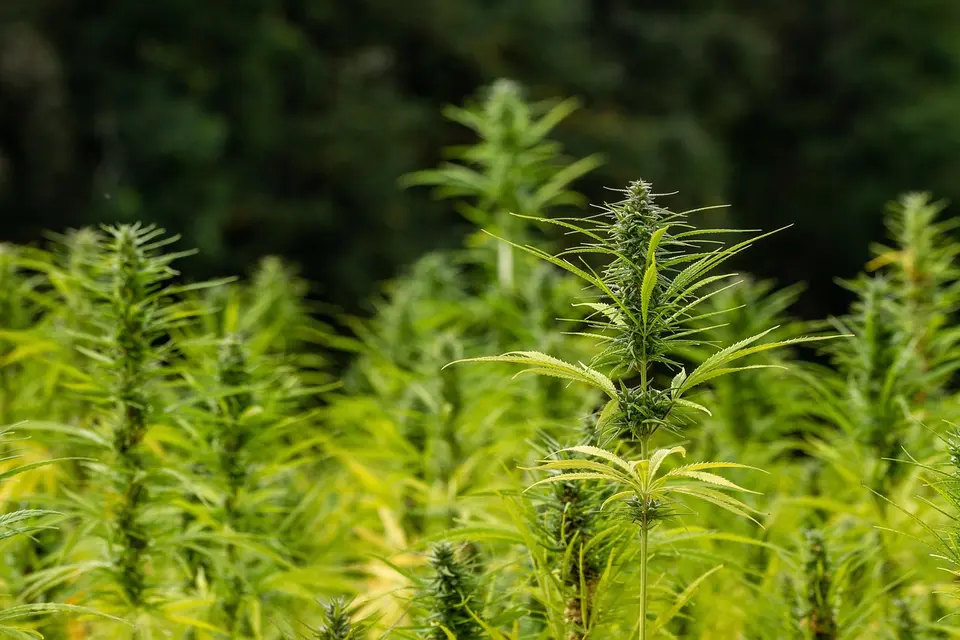
Cultivation at the club is subject to a bundle of duties on health and youth protection. Every cultivation association must draw up a health and youth protection concept (§ 23 para. 6 KCanG), appoint a member as prevention officer (§ 23 para. 4 KCanG), refuse access to persons under 18 (§ 23 para. 1 KCanG), avoid health risks that go beyond the typical dangers of cannabis use (§ 18 para. 1 KCanG), and inform members when cannabis is handed over (§ 21 para. 3 KCanG). This article explains how these duties relate to one another.
The concept as the basis
The health and youth protection concept sets out suitable measures for comprehensive youth and health protection in the cultivation association, in particular for low-risk use of cannabis and for addiction prevention (§ 23 para. 6 KCanG). It forms part of the licence application (§ 11 para. 4 no. 12 KCanG). Without a submitted concept, the licence must be refused (§ 12 para. 1 sentence 1 no. 4 KCanG). A concept becomes concrete when it states who does what, how members are informed and how implementation is checked. The article What belongs in a health and youth protection concept? describes its content.
The prevention officer
The board appoints a member as prevention officer. This person is available to members as a contact for questions on addiction prevention and ensures that the association takes suitable measures for youth and health protection and addiction prevention. The officer contributes their knowledge to the concept and ensures its implementation (§ 23 para. 4 sentences 2 to 4 KCanG). The prevention officer must prove specific counselling and prevention knowledge, acquired through addiction prevention training at state or specialist addiction prevention or addiction counselling bodies, or at comparably qualified publicly funded institutions. Proof is provided by a certificate of attendance (§ 23 para. 4 sentences 5 and 6 KCanG). If the proof is missing when the application is made, the authority may grant the licence on condition that it is supplied within at least three months (§ 12 para. 1 sentence 2 KCanG). The article What qualifications does the prevention officer need? covers the requirements for the person.
Access and age
Cultivation associations may not grant persons under 18 access to the fenced-off premises (§ 23 para. 1 KCanG). Members must be at least 18 years old (§ 16 para. 1 KCanG). At every handover, age and membership must be checked with the membership card and an official photo ID (§ 19 para. 2 KCanG). Breaches of access rules and missing checks are regulatory offences (§ 36 para. 1 nos. 16, 17 and 31 KCanG).
Cultivation, security and quality
Cultivation takes place only by members, jointly (§ 17 para. 1 sentence 1 KCanG). The principles of good professional practice must be observed, and precautions must be taken against health risks from substances such as plant protection products, fertilisers or heavy metals (§ 17 para. 3 KCanG). The association must take random samples and test them regularly (§ 18 para. 2 KCanG). Cannabis that cannot be passed on must be destroyed without delay (§ 18 para. 3 KCanG). Cannabis and propagation material must be protected against access by unauthorised persons, in particular children and young people, and the premises must be secured by fencing, burglary-resistant doors and windows or other suitable measures (§ 22 para. 1 KCanG). Cultivation areas and greenhouses outside indoor rooms must be protected from view from outside (§ 23 para. 3 KCanG). The article Is cultivation permitted indoors or outdoors? sets out the rules on location.
Quantities and handover as a protective rule
Members aged 21 and over may receive at most 25 grams per day and 50 grams per calendar month. Young adults may receive at most 25 grams per day and 30 grams per calendar month, at no more than 10 percent THC (§ 19 para. 3 KCanG). The cannabis may not be handed over mixed with tobacco, nicotine, food, feed or other additives (§ 21 para. 1 KCanG), and it is handed over only in neutral packaging (§ 21 para. 2 KCanG).
Duty to inform at handover
At every handover, cultivation associations must provide informative, evidence-based information on dosage, use and risks, as well as references to counselling and treatment services (§ 21 para. 3 sentence 1 KCanG). The law expressly names the following topics:
- possible neurological and health damage from use under the age of 25,
- necessary precautions for child and youth protection, including non-use during pregnancy and breastfeeding,
- interactions with medicines and with mixed use with other psychoactive substances,
- restrictions on fitness to drive and on operating machinery,
- further information on the platform under § 8 para. 1 no. 1 KCanG.
The information leaflet must also state the weight, harvest date, best-before date, variety and the average THC and CBD content (§ 21 para. 2 KCanG). Anyone who does not provide the information, or provides it incorrectly, incompletely or late, commits a regulatory offence (§ 36 para. 1 nos. 25 to 27 KCanG).
Cooperation with addiction counselling and duty to report risks
Cultivation associations should cooperate with local addiction counselling centres, so that members with risky use or existing dependence gain access to the addiction support system (§ 23 para. 5 KCanG). If the association suspects a health risk that goes beyond the typical dangers of use, it must inform the authority without delay and take measures, such as warning members and recalling and destroying affected cannabis (§ 26 para. 4 KCanG).
Help for members
Members who need help can find support at the Sucht und Drogen Hotline (addiction and drugs hotline) on 01806 313031. The association does not replace counselling and refers people on to counselling services. Anyone with questions about health risks can speak to a doctor.
What you can do next
Ask your association for its health and youth protection concept and for the name of its prevention officer. Read the information leaflet when you receive cannabis. If you have open questions, the association's contact person for addiction prevention or the competent authority can help.
Frequently asked questions
Which health protection rules must a club follow?
The club must draw up a health and youth protection concept (§ 23 para. 6 KCanG), appoint a member as prevention officer (§ 23 para. 4 KCanG), refuse access to minors (§ 23 para. 1 KCanG), protect cannabis against access by unauthorised persons (§ 22 para. 1 KCanG) and inform members at handover (§ 21 para. 3 KCanG).
What is the prevention officer at a cannabis social club?
A member appointed by the board (§ 23 para. 4 KCanG). The officer is the contact for addiction prevention, ensures suitable measures and implementation of the concept, and must prove counselling and prevention knowledge with a training certificate.
What must a club tell members at handover?
Among other things, about possible damage from use under 25, child and youth protection including non-use during pregnancy and breastfeeding, interactions and mixed use, limits on fitness to drive, and counselling services (§ 21 para. 3 KCanG).
Sources
- KCanG § 11 Erlaubnispflicht
- KCanG § 12 Versagung der Erlaubnis
- KCanG § 16 Mitgliedschaft
- KCanG § 17 Anforderungen an den gemeinschaftlichen Eigenanbau
- KCanG § 18 Maßnahmen zur Qualitätssicherung
- KCanG § 19 Kontrollierte Weitergabe von Cannabis
- KCanG § 21 Maßnahmen des Gesundheitsschutzes
- KCanG § 22 Sicherung und Transport
- KCanG § 23 Kinder- und Jugendschutz sowie Suchtprävention
- KCanG § 26 Dokumentations- und Berichtspflichten
- KCanG § 36 Bußgeldvorschriften
- Sucht und Drogen Hotline