How is surplus cannabis disposed of?
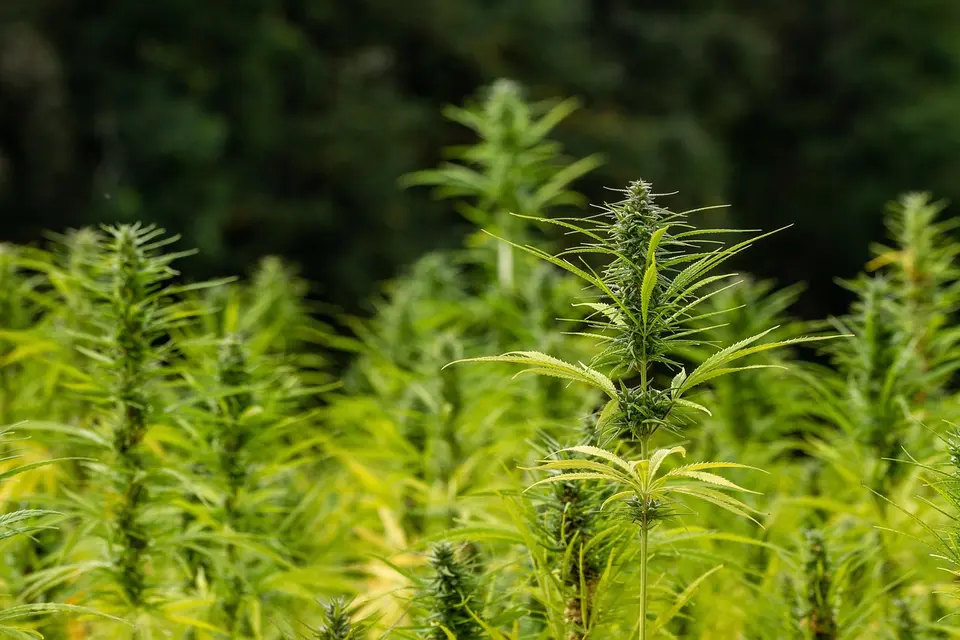
A clear rule applies to surplus cannabis: cannabis that is not fit for passing on must be destroyed without delay (§ 18 para. 3 KCanG). This also applies to propagation material that is not fit for passing on. The first question is therefore when goods may not be passed on at all, and only then how destruction and documentation fit together.
When cannabis is not fit for passing on
The law lists several reasons in § 18 para. 4 KCanG. Cannabis is not fit for passing on if it was not itself cultivated jointly by the cultivation association within its enclosed premises. The same applies if the cultivation association does not hold a valid permit under § 11 para. 1 KCanG. Cannabis that exceeds the permitted annual home cultivation or passing-on quantities is also not fit for passing on (no. 3).
Further reasons are a content of substances above the maximum values of a statutory ordinance under § 17 para. 4, cannabis present in a form other than pure marijuana or hashish (no. 5), and mixing with substances under § 21 para. 1 sentence 1 (no. 6). For propagation material, a separate rule in § 18 para. 5 KCanG applies, which is linked to the place of obtaining it and to the permit.
Destruction is a duty
Destruction is not optional. The law requires that cannabis and propagation material that are not fit for passing on be destroyed without delay (§ 18 para. 3 KCanG). 'Without delay' means without culpable hesitation. Goods that pile up in storage because no decision on destruction is taken contradict this requirement.
Closely connected is regular quality assurance. Cultivation associations must take regular samples of the cultivated cannabis and of the propagation material and test them, in order to ensure that they are fit for passing on (§ 18 para. 2 KCanG). If a test shows that goods are not fit for passing on, the duty to destroy follows.
Anyone who does not destroy cannabis or propagation material that is not fit for passing on, does not destroy it completely, or does not do so in time commits an administrative offence (§ 36 para. 1 no. 15 KCanG). This can be punished with a fine (§ 36 para. 2 KCanG).
Agree the procedure with the authority
The law does not prescribe a particular destruction procedure. The association should therefore clarify with the responsible authority before the first destruction how it will proceed, who will accompany it and how it will be documented. This protects against disputes about quantities that can no longer be proven later.
A written procedure helps in practice: who decides which goods are concerned, who carries out the destruction, which witnesses are present and which records are created.
Documentation of the destruction
The destroyed quantities belong to the ongoing information under § 26 para. 1 KCanG. What must be documented are the quantities of destroyed cannabis in grams and the number of units of destroyed propagation material (no. 4). The law requires the quantities. The entry should additionally contain the date and the type of goods, so that the annual report can be backed up with evidence.
In addition, the destroyed quantities are part of the annual report due by 31 January (§ 26 para. 3 KCanG). The total destroyed in the previous year goes into the same overview as cultivation, passing on and stock. Anyone who does not record destruction properly distorts the annual report.
Health risk
A special situation arises if the association knows or suspects that passed-on cannabis poses a health risk beyond the typical dangers of use. It must then inform the authority without delay and take measures without delay. These include informing the members, recalling affected goods, taking them back and destroying them (§ 26 para. 4 KCanG). In this case, destruction is part of a larger protection process.
Typical mistakes
- Storage out of caution: Goods that may not be passed on do not stay in storage just because they still look usable.
- Passing on despite the duty to destroy: Giving surplus goods to members breaches the rules on passing on and is no solution.
- Destruction without an entry: Anyone who destroys but does not document cannot prove the annual report.
- Delay: The duty must be met without delay. A date in two months does not match the wording 'without delay'.
What you can do now
- Check regularly which goods are not fit for passing on under § 18 para. 4 KCanG.
- Keep a written procedure for destruction ready and agree it with the authority.
- Document every destruction with quantity in grams, number of units, date and persons responsible.
- Record the destroyed quantities for the annual report due by 31 January.
- In case of health risks, inform the authority and the members immediately.
The basics of documentation are explained in How must the club document harvest and handover? How much the association may cultivate at all is shown in How are the annual cultivation and handover quantities set? What threatens if the quantities are exceeded is explained in What happens if a club exceeds the quantities?
Frequently asked questions
Must a club destroy surplus cannabis?
Yes. Cannabis that is not fit for passing on must be destroyed by the cultivation association without delay (§ 18 para. 3 KCanG). This includes goods that exceed the permitted annual quantities (§ 18 para. 4 no. 3 KCanG).
How is the destruction documented?
The destroyed quantities in grams and the number of units of propagation material must be recorded (§ 26 para. 1 no. 4 KCanG). By 31 January of a year, the destroyed quantities of the previous year must be reported electronically to the authority (§ 26 para. 3 KCanG).
May the club hand surplus to members if it would have to destroy it?
No. Goods that are not fit for passing on may not be passed on. The law requires their destruction without delay (§ 18 para. 3 KCanG). The association agrees the suitable procedure with the responsible authority.