What belongs in a participation concept for cultivation?
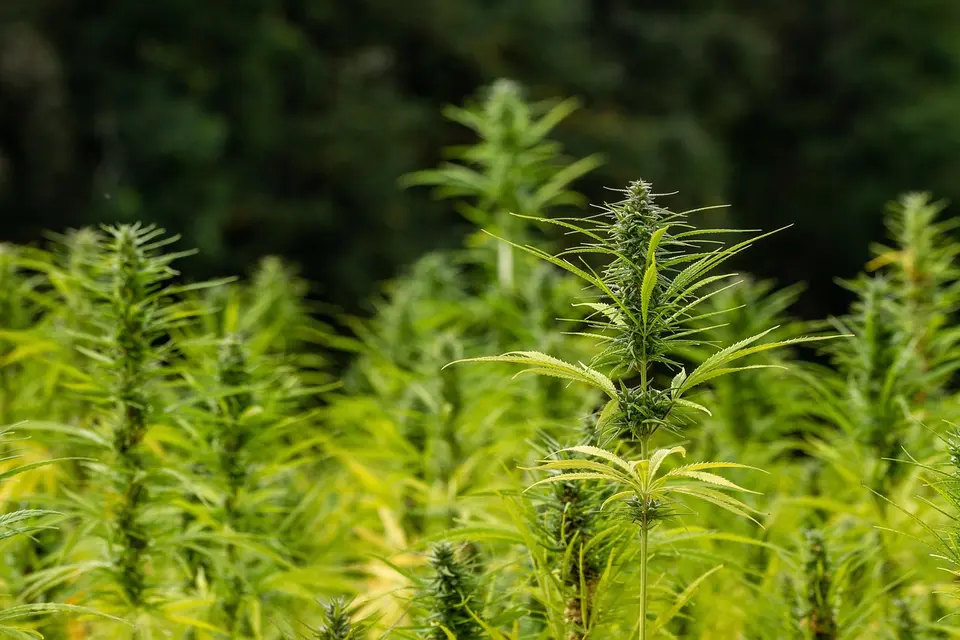
A participation concept describes how the members of a cultivation association actually take part in shared cultivation, who takes on which tasks and how the process is monitored. The law expressly requires this participation. Members must actively take part in the shared home cultivation of cannabis. Active participation exists in particular when members work by hand on the cultivation and on the tasks directly linked to it (§ 17 para. 2 KCanG).
What the law says about participation
The rule is set out in § 17 KCanG and has two sides. First, cannabis may be cultivated jointly in a cultivation association only by members (§ 17 para. 1 sentence 1 KCanG). Second, a graduated rule applies to employees and other persons. A cultivation association may assign marginal employees (geringfügig Beschäftigte) tasks directly linked to home cultivation or to passing on cannabis only if they are members. Other paid employees and other non-members may only be assigned tasks that are not directly linked to home cultivation or to passing on (§ 17 para. 1 sentences 2 and 3 KCanG).
For the concept, this means that a workable concept shows which tasks members carry out themselves and which tasks, if any, go to employees or non-members. The line runs where a task is directly connected with cultivation or with passing on. Anyone who thinks through this line in advance avoids problems later in operations.
Whether the law requires a concept
A participation concept is not a document named in the law. It does not appear in the list in § 11 para. 4 KCanG. Binding are the members' duty to take an active part (§ 17 para. 2 KCanG) and the association's duty to ensure compliance with the requirements (§ 11 para. 3 no. 3 KCanG). A concept is therefore a working method by which an association organises and documents these duties. Breaches of the allocation of tasks under § 17 para. 1 KCanG are administrative offences (§ 36 para. 1 nos. 12, 13 and 13a KCanG).
Where the concept fits in the application
The application for a permit must be made in writing or electronically. It must contain the information and evidence required by § 11 para. 4 KCanG, written in German. This includes the registered seat and the register court of the association, the names and addresses of the board members, the estimated number of members, the location of the enclosed premises (befriedetes Besitztum) and the size of the cultivation areas. In addition, the quantities in grams expected to be cultivated and passed on per year must be stated separately for marijuana and hashish (§ 11 para. 4 nos. 1 to 9 KCanG).
Two points of the application relate directly to protection and prevention. The prevention officer, with name, address and proof of his or her knowledge, is part of the information (no. 11). So is the health and youth protection concept, which must be drawn up under § 23 para. 6 KCanG (no. 12). A participation concept should complement both without contradictions. If participation and the protection concept are written separately, gaps or contradictions become likely.
What the association can decide itself
Within the legal framework, the association itself decides how participation is organised. This includes:
- which tasks in cultivation, harvesting, drying and passing on members take on,
- how shifts are distributed and coordinated,
- who checks the processes, for example the prevention officer or a board member,
- how members are dealt with who do not provide their participation.
The general organisation of the association is governed by its articles of association (Satzung). The basics are set out in the German Civil Code (BGB), sections 21 ff., and in § 16 KCanG. Whether and to what extent participation is measured in hours is determined by the articles of association. For this reason, this article gives no hour figures.
Documentation and records
The association should record participation in a way that makes it traceable. The law's documentation duties concern mainly the traceability of cannabis. Under § 26 para. 1 KCanG, the cultivation association must continuously document, among other things, the quantities in grams that are cultivated, passed on and destroyed. The records must be kept for five years and submitted electronically to the authority on request (§ 26 para. 2 KCanG).
For participation itself, a simple method is worthwhile: an overview of who took on which task, with a date. How this overview must look in the individual case should be clarified by the association with the responsible authority before it is introduced.
Typical mistakes
- Ideals without practical relevance: A concept that describes how things should be, but not how cultivation actually runs, helps in no inspection.
- Participation on paper: If members appear on the list but never work, the concept misses the purpose of § 17 para. 2 KCanG.
- Wrong allocation of tasks: Assigning non-members tasks that § 17 para. 1 KCanG does not allow is an avoidable mistake.
- Contradictions with the protection concept: If the participation concept names different figures or responsibilities than the health and youth protection concept, this will be noticed.
What you can do now
- List all tasks in cultivation and mark which ones members carry out themselves.
- For each task performed by employees or non-members, check whether § 17 para. 1 KCanG allows it.
- Align the concept with the health and youth protection concept under § 23 para. 6 KCanG.
- Clarify with the responsible authority which evidence it expects for participation.
- Check whether the articles of association govern participation, and amend them if needed.
For more on whether members must cultivate themselves, see Do members have to help with cultivation at the club? To understand cultivation as a whole, read Who may grow cannabis at the club? The duties of the prevention officer are explained in Who is the prevention officer and what do they do?
Frequently asked questions
Do members have to work at the club themselves?
Yes. Members must take an active part in shared home cultivation (§ 17 para. 2 KCanG). Active participation exists in particular when members work by hand. How much time this involves is set out in the association's articles of association.
May non-members take part in cultivation?
Only to a limited extent. Non-members may be assigned only tasks that are not directly linked to home cultivation or to passing on (§ 17 para. 1 KCanG). Marginal employees may take on directly linked tasks only if they are members.
Who checks the participation concept?
The responsible authority decides on the permit on the basis of the application (§ 11 KCanG) and inspects the operation regularly (§ 27 para. 1 KCanG). Ask the authority early which evidence it expects for participation. The binding answer comes from the authority.